

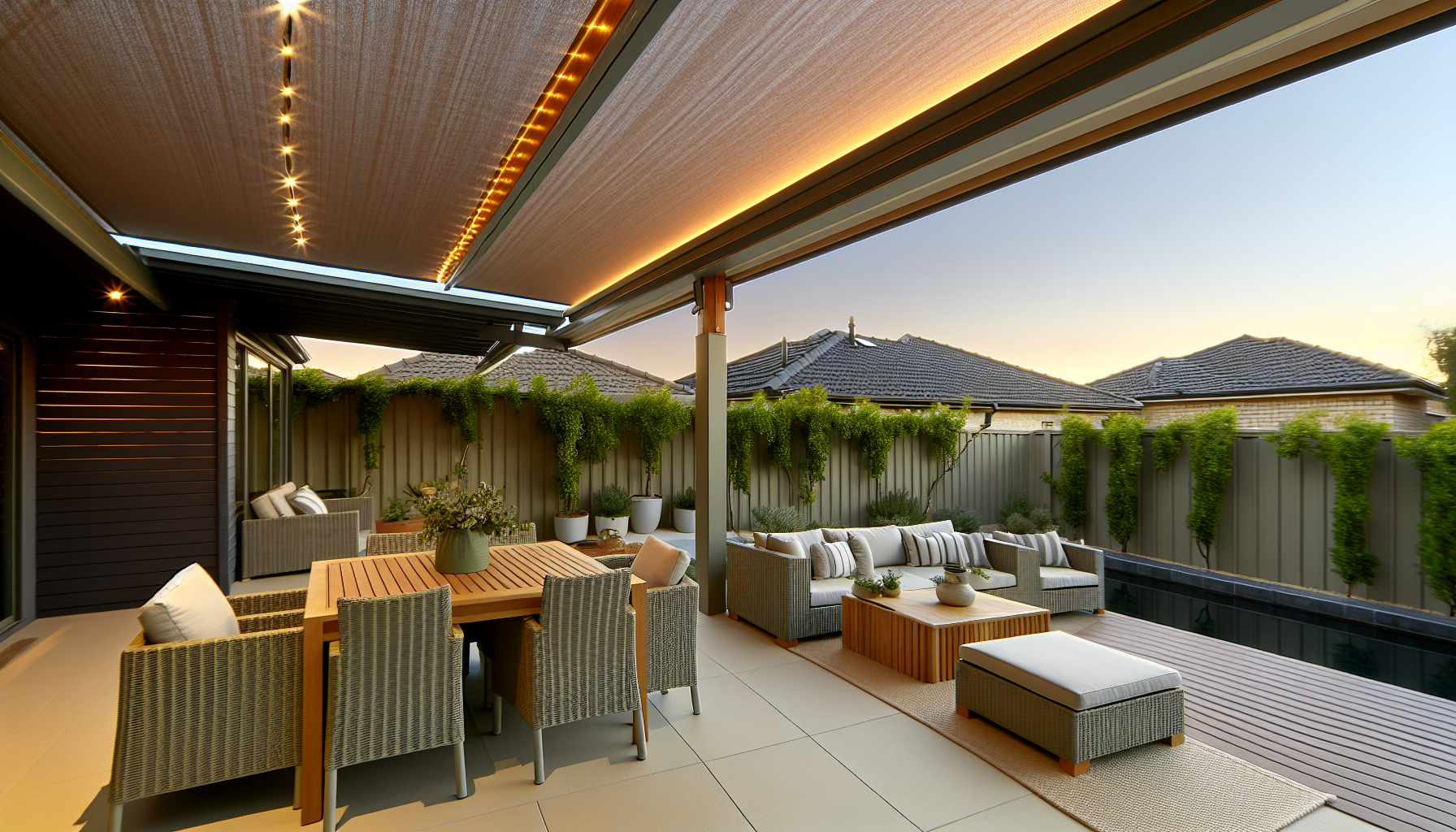
Assessing your living spaces is the first step to creating a functional, long-lasting outdoor retreat. Start by marking sun and shade patterns—observe the site at three key times (morning, midday, evening) and sketch rough shade outlines. Note wind patterns (presence of breezes or drafty corners), slope (use a basic builder’s level), and check drainage (water pooling after rain). Assess soil type for planting and record nearby sightlines for both privacy and desirable views. According to Wikipedia’s ‘Pergola’, aligning structures to minimize midday sun improves comfort—consider at least 3 feet clearance around tables and 4 feet for walkways to ensure easy movement throughout your outdoor living spaces.
Function and zoning: Clarify how you want to use the living spaces: dining, lounging, cooking, or recreation. Map primary activity “zones”—for example, position a grilling station near the kitchen exit for convenience, and allow for distinct lounging and dining areas. Buffer active zones with landscape beds and design walkways to smoothly transition from the house to the shelter. Use hardscape lines or hedge rows as suggested in Wikipedia’s ‘Landscaping’ for effective separation and flow.
Scale and proportions: Size the covered living spaces based on the house, desired use, and furniture. A standard dining pergola should allow at least 10×12 feet for six chairs. Lounging arrangements work best with a minimum 8×10 feet space. Maintain 24 inches clearance around seating. Opt for at least 8-foot ceiling heights for visual comfort and air circulation in your outdoor room.
Flooring and surface choice: Select slip-resistant, well-draining materials for your living spaces—pavers for durability and classic appearance, composite decking for easy maintenance, or scored concrete for affordability. Light colors provide better thermal comfort by reflecting heat.
Integration with landscape: Blend your living spaces into the landscape using layered planting, screens for privacy, and encourage vines or climbing plants on pergolas, as described on Wikipedia: “Pergolas may be extensions of a building or act as protection for open terraces…”.
Practical checklist for your project
- Survey site (note sun/path/shade, drainage, level)
- Check local codes for setback and building rules
- Clarify functions and size living spaces accordingly
- List needed clearances (table, seating, paths)
- Collect inspiration photos and material samples
- Interview at least 2-3 contractors for estimates
- Calculate budget including furniture and lighting
Selecting durable furniture for outdoor use
Material deep dive
- Teak: Highly valued for outdoor living spaces due to its dense grain, natural oils, and resins that resist rot, insects, and moisture (Wikipedia: Garden furniture). Lifespan is 25+ years. Minimal maintenance is needed but regular cleaning and annual light sanding/oiling help preserve appearance. Expect to pay more for genuine teak ($700–$3,000/piece).
- Other hardwoods (acacia, eucalyptus): Generally less durable than teak (10–15 years). Require annual oiling and weather protection. Cost is moderate. May warp if untreated.
- Aluminium: Lightweight, rust-resistant, and ideal for versatile living spaces. Can last 10–20 years. Occasional washing is sufficient. Powder-coated versions resist fading and scratching. Prices moderate to high.
- Wrought iron: Very strong and wind-resistant. Lasts 15+ years if kept painted to prevent rust. Heavy to move and may need touch-up paint regularly. Moderate pricing.
- Powder-coated steel: Cheaper and sturdy, but can rust if coating is damaged. Clean and inspect regularly; store dry in winter. Lifespan 7–15 years. Budget-friendly.
- Resin wicker/HDPE (synthetic wicker): UV-stable, lightweight, and moisture-proof perfect for casual living spaces. Lifespan 7–15 years. Hose off monthly. Resilient against fading and mildew. Mid-price. See Wikipedia’s emphasis on weather-resilient synthetics.
- Polypropylene/plastic: Very affordable but can become brittle in sun (3–7 years typically). Easy to clean but less sturdy and prone to UV damage unless UV-stabilized.
- Glass/tempered tops: Weather-tough, scratch-resistant, and easy to clean. Always use tempered glass for safety. Lifespan 10–20 years but fragile to impact. Moderate price.
Upholstery and textiles
- Choose solution-dyed acrylic (Sunbrella, etc.) for maximum UV and mildew resistance. Colors are locked in, ensuring long life in outdoor living spaces.
- Quick-dry foams maintain comfort and prevent mildew inside cushions. These foams drain and ventilate quickly.
- Lower-cost synthetics may fade or mildew; always check for outdoor labels.
Functional considerations
- Aluminium and plastic are easy to move (good for flexible living spaces), while wrought iron resists wind best.
- Choose stackable or folding pieces for small spaces or seasonal storage.
- For coastal or windy zones, opt for anchoring kits or heavier bases.
- Ready-to-assemble (RTA) kits may lower prices if you’re DIY-savvy but confirm hardware is stainless or rustproof.
Maintenance protocols
- Teak/hardwoods: Wash with mild soap; oil annually if desired. Cover or store off-season.
- Metal (aluminium, steel, iron): Wash, check for rust, repaint as needed. Store or cover in wet/cold climates.
- Wicker/HDPE: Hose off monthly; store cushioned items indoors in winter.
- Glass tops: Wipe down regularly, avoid impacts, check for edge chips.
- Textiles: Clean stains promptly; store cushions dry, using breathable covers.
Sustainability and sourcing
Look for FSC-certified wood. Choose recyclable aluminium or steel over plastics. Low-VOC finishes reduce emissions. Local sourcing reduces transport impact.
Buying checklist
- What is the warranty?
- Where was it made? FSC or recycled content?
- What finish (oil, powder, paint)?
- Are replacement parts or cushions available?
- Does it fit the size and wind exposure of your living spaces?
Recommended pairings
| Pairing | Material Suggestion |
|---|---|
| Dining | Teak or aluminium with solution-dyed acrylic seats. |
| Lounge | Resin wicker sectional with quick-dry cushions. |
| Small Patios | Folding aluminium bistro sets or stackable HDPE chairs. |
Choosing the right shelter for your oasis
Shelter types for distinct areas — The character of your outdoor living spaces is defined by the shelter you choose. Pergolas, originating in Italian Renaissance gardens, feature open lattices that support climbing plants, creating shaded, airy passageways. In contrast, gazebos offer robust, 360-degree shelter with solid roofs, while solid-roofed patios and lean-tos maximize rain protection. For flexible setups, retractable awnings and modern louvered pergolas allow you to adjust sunlight and ventilation on demand.
Permanent vs flexible solutions — Fixed shelters like gazebos provide longevity for your backyard but require higher upfront investment. Flexible solutions adapt to the weather but may need more maintenance.
Structural and practical considerations — Drainage is critical: roofs must direct water away from living spaces. Assess snow and wind loads—coastal sites demand reinforced frames. Always consult local codes for setbacks and permits.
Environmental integration — Passive cooling enhances comfort in living spaces by orienting open sides to catch breezes. Pergolas excel at supporting vines, softening the structural lines of your outdoor room.
Installation and lifecycle — Permanent structures last 10–30 years, enhancing the long-term value of your property.
Concrete scenario recommendations
- Small city terrace: A retractable awning maximizes flexibility in compact settings.
- Suburban backyard: An attached pergola with climbers creates a distinct outdoor room, integrating seamlessly with garden planting.
- Coastal property: A freestanding aluminum gazebo resists corrosion, offering robust shelter for year-round use.
Comfort systems and utilities for year-round enjoyment
Heating and fire features: To extend the use of outdoor living spaces, integrate heating. Electric patio heaters are efficient for small areas, while natural gas heaters suit larger living spaces. Fire pits and chimineas add ambiance, but ensure proper clearances.
Cooling and shade strategies: Ceiling fans and misting systems can significantly lower temperatures in hot climates. Shade sails and louvered covers provide flexible sun protection.
Lighting and electrical: Use IP65-rated fixtures for safety in wet conditions. Plan lighting for both tasks and ambiance to enhance usability at night.
Water management: Proper drainage and permeable paving prevent water pooling in living spaces, protecting the structure and furniture.
Plumbing and appliances: Frost-proof materials are essential for outdoor kitchens in year-round facilities.
Pest and moisture control: Screens and repellent plantings keep areas comfortable and pest-free.
Energy/cost tips: Use LED lighting and smart controls to reduce utility costs for your exterior lighting.
Styling maintenance and long term value
Styling and layout: Styling brings enduring beauty to covered outdoor living spaces. Prioritize ergonomics by leaving 30–36 inches for walkways. Conversational groupings around focal points make living spaces inviting.
Seasonal maintenance plan: Regular care ensures the longevity of your living spaces. Deep-clean in spring, spot-clean in summer, and store delicate items in winter.
Storage and preservation: Proper storage extends the life of furniture in your garden. Use breathable covers and climate-controlled storage for premium items.
Longevity and warranties: Check warranties to ensure your investment in outdoor furniture is protected.
Value and ROI: Thoughtful covered outdoor living spaces yield measurable financial benefits, potentially offering an ROI of 60-80%. They improve home valuation and marketability, making them a wise investment.
Sustainability: Opt for recyclable materials and sustainable plantings to create eco-friendly living spaces.
Conclusions
Creating a covered outdoor living space requires balancing design, durable materials, and comfort systems. Prioritize site analysis and weather-resistant materials like teak or aluminium. With careful planning, you’ll create functional living spaces that increase enjoyment and home value.

[…] For more robust outdoor space ideas—including deck maintenance and all-season furniture—see our covered outdoor living spaces guide. […]
Thanks for sharing that—deck maintenance and all-season furniture are huge for making a covered space truly usable year-round. Appreciate you linking to our covered outdoor living spaces guide
[…] Consider integrating energy-saving upgrades as you build. If you need outdoor inspiration, see our guide to outdoor living spaces for design ideas around your new […]
[…] According to recent research, the global bi-fold doors market hit between USD 10.08 and USD 11.6 billion in 2024, with residential spaces making up over half the installations thanks to the desire for smooth transitions to patios, gardens, and decks. Commercial sector interest is also strong, particularly in hospitality and retail construction. For more inspiration on connecting outdoor living spaces, check out our Ultimate Guide to Covered Outdoor Living Spaces. […]
[…] lush living room gardens. You’ll also see more on hybrid indoor–outdoor rooms—explored in our covered outdoor living spaces guide—as central elements of biophilic […]
[…] If you have a covered outdoor living space, be sure to include upgraded insulation or weatherized patio doors—see our guide on creating comfortable year-round spaces. […]
[…] If you want to enhance outdoor comfort as well, see our guide to covered outdoor living spaces. […]
[…] Select Appliances: built-in grills, weatherproof pizza ovens, under-counter refrigerators, and fire pits are trending. Stainless steel remains the go-to for all-in-one durability. For inspiration, check out covered outdoor living space options. […]