

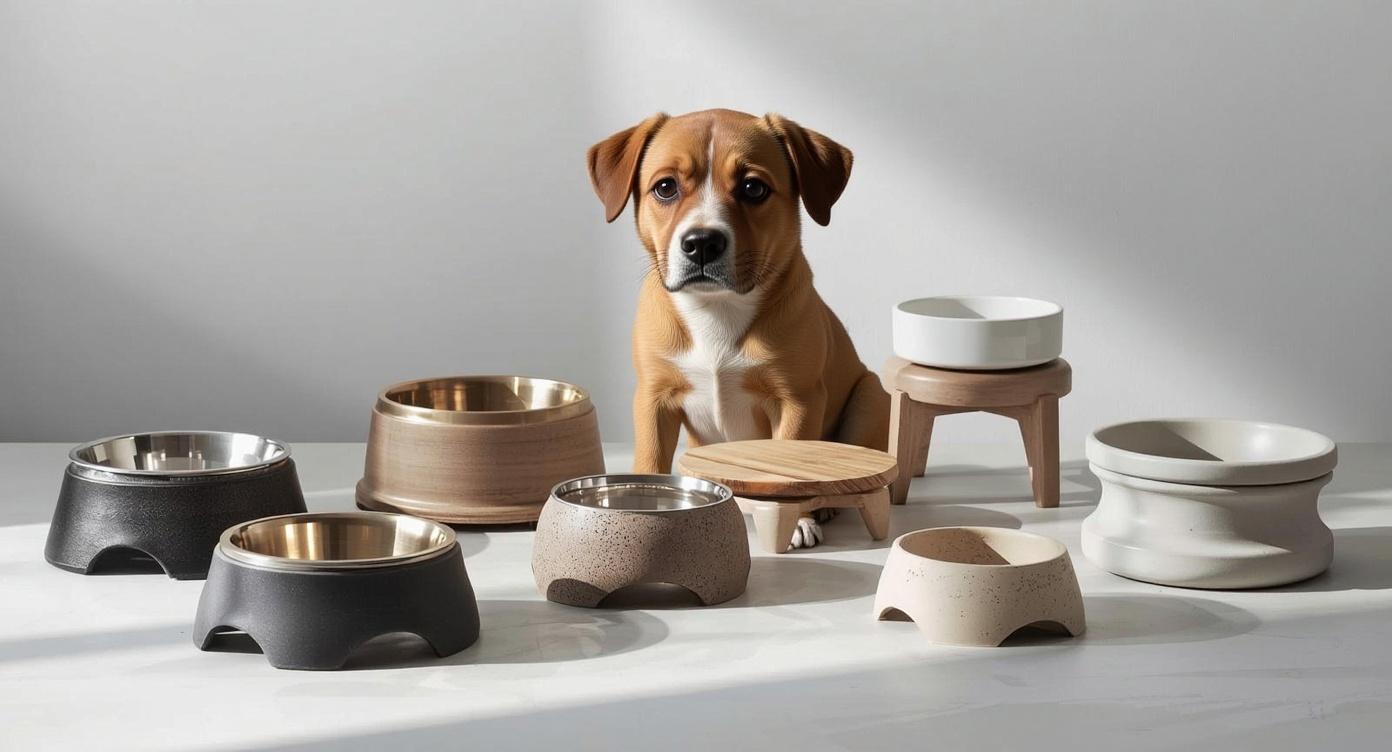
Choosing the right dog bowl affects hygiene, digestion and daily convenience. This guide explores materials, sizes and styles — including stainless steel, elevated and small or large bowls — and matches them to dog food types and feeding needs. You’ll get practical buying, cleaning and safety advice to help you pick the best dog bowl for your pet’s age, size and habits.
Why the Right Bowl Matters: Dog Bowls
Choosing the right dog bowl isn’t just about color or price; it is fundamental to your dog’s health and mealtime experience. The dog bowl a pet eats from influences hygiene, durability, and safety. It also plays a role in your dog’s feeding posture and your daily convenience as an owner. The wrong bowl can lead to spoiled food, a messy feeding area, or even health issues.
Canine dietary needs are nuanced. According to Wikipedia, dogs are omnivores with a bias toward carnivorous diets. This means their feeding requirements—including bowl size and type—vary by breed, age, and health. For example, a puppy’s small jaw and appetite may require a different dog food bowl than a large senior dog. Wet foods can stick more to some surfaces, and kibble size or special formulas might benefit from a certain style or material. Dog water bowls, similarly, need to be easy to access and clean frequently to keep water fresh and uncontaminated.
Hygiene is crucial at every meal. Moist food and saliva left behind can quickly breed bacteria, which is a risk if bowls are difficult to wash or made from porous materials. Based on Wikipedia findings, stainless steel dog bowls are typically more hygienic than plastic or ceramic because they are non-porous, resistant to scratches, and easy to clean thoroughly, making them a top choice for the best dog bowls on the market.
Practical safety issues also matter when selecting dog food bowls. Lightweight or poorly designed bowls can tip over, spilling food or water and inviting pest problems. Bowls with chipped paint or loose coatings may introduce toxins or allergens, while easily scratched surfaces can harbor bacteria or cause injury. Stable, non-slip features and non-toxic materials are essential, especially for large or enthusiastic eaters—and these considerations extend to elevated dog bowls or raised dog bowls designed for joint comfort and posture.
Here are the top 5 problems caused by poor bowl choice:
- Rapid eating: Some bowls encourage gulping, leading to digestive issues.
- Spill mess: Unstable or too-small bowls allow food and water to pour out easily.
- Bacterial buildup: Hard-to-clean materials or scratches can foster harmful microbes.
- Allergic reactions: Paints, glazes, or certain plastics may trigger allergies in sensitive dogs.
- Bowl tipping: Excited eaters or large dogs can flip lightweight bowls, wasting food and making a mess.
As you consider dog water bowls, large dog bowls, or small dog bowls, think about how design, size, and material work together. The following chapters will examine bowl materials (like why stainless steel dog bowls are widely recommended), the construction of elevated designs, and how to select the right size for your dog. Each of these elements impacts your pet’s safety, your convenience, and your dog’s eating habits for years to come.
Materials and Construction Explained
When comparing dog food bowls, the material directly impacts hygiene, durability, and suitability for your pet’s needs. The top choices are stainless steel, ceramic, plastic, silicone, and composite blends—each with distinct pros and cons that affect longevity and safety.
Stainless steel dog bowls are the industry standard in hygiene and durability. As detailed on Wikipedia, stainless steel contains at least 10.5% chromium, which forms a protective oxide layer, granting superb corrosion and rust resistance—ideal for dog food and dog water bowls. The most common consumer grade is 304 stainless (“18/8”), known for its food-contact safety and resistance to leaching or tainting food flavors. Easy to clean (including in dishwashers) and highly resistant to scratching, stainless steel surfaces do not harbor bacteria the way plastics can. They’re nearly indestructible, making them one of the best dog bowls for daily use.
Ceramic bowls offer aesthetic variety and are heavier for less tipping, but their glaze can chip, exposing porous clay where bacteria can thrive. Hand-washing is often preferred, and ongoing inspection is vital for chips or cracks.
Plastic dog food bowls are lightweight and affordable, but scratches are problematic. These scratches quickly become bacterial harbors and some plastics may leach chemicals, especially if exposed to heat over time. Allergy-prone dogs may react to certain plastics, and plastic bowls degrade with frequent dishwasher cycles.
Silicone options (often collapsible) are portable and generally food-safe, but they’re flexible and may lack stability for strong or large dogs. Quality varies; medical-grade silicone is safest.
Composite and melamine bowls mimic ceramics or plastic but can break or delaminate over time, and low-quality versions may contain questionable resins.
Material Comparison Table (in list form):
- Stainless Steel: Most durable, easy to clean, moderate weight, moderate-high cost, best for all dogs & hygienic feeding
- Ceramic: Durable if intact, cleanable, heavy, moderate-high cost, best for supervised pets or style
- Plastic: Least durable, hard to fully clean, light, low cost, best for emergencies/travel
- Silicone: Moderately durable, easy clean, lightweight, mid cost, best for travel or collapsible needs
- Composite: Moderately durable, variable cleanability, heavier than plastic, mid to high cost, best as designer options
Avoid painted or plated finishes on any bowl type: they chip easily, risking ingestion or harboring bacteria. For stainless, favor a brushed or electropolished surface, maximizing bacterial resistance by smoothing microscopic crevices.
When examining construction quality:
- Seek out seamless bowls (no crevices)
- Check heft; thicker materials last longer
- Look for rubberized, non-slip bases—especially for large dog bowls
- For raised or elevated dog bowls, ensure stands are welded (metal) or molded (plastic) for strength
- Choose only dishwasher-safe bowls and confirm all parts meet this standard
Choosing the right material lays the groundwork for safe, healthy feeding—but the size, shape, and overall design of dog bowls are equally critical. The next chapter will help you match your material choice with proper sizing for your dog’s breed, feeding style, and dietary preferences, ensuring that every aspect of your pet’s mealtime is optimized.
Size Shape and Feeding Style for Different Dogs
Finding the right dog food bowls hinges on more than style—it’s about your dog’s health and comfort. Dog size, skull shape, age, and food type all affect what’s ideal. For instance, brachycephalic breeds (like Bulldogs and Pugs with flat faces) need shallow, wide bowls to make eating easy, while long-nosed breeds (Collies, Greyhounds) benefit from deeper, narrower dog bowls. Puppies require low, accessible dishes; seniors may struggle with deep bowls or need those that reduce neck strain. Dogs fed wet food do best with shallow surfaces; dry kibble may be served in bowls with steeper sides to minimize scatter.
Small dog bowls suit dogs under 20 pounds, with diameters of 4-6 inches and depths of 1-2 inches. Shallow steel or ceramic is often best, preventing tip-over and excessive reach. Large dog bowls (for 50+ pound breeds) work well in 8-11 inch diameters and depths of 3-5 inches; sturdy stainless steel dog bowls are popular for durability and hygiene. For multi-dog feeding, separate bowls (to prevent resource guarding) should match each dog’s size. Stackable designs help with storage in households managing multiples.
Checklist for choosing the right dog food bowls:
- Measure snout width and length—ensure the bowl is wider than the dog’s broadest point.
- Calculate portion volume (refer to dog food packaging or veterinarian guidance)—bowls should hold at least 1.5x a typical meal.
- Account for kitchen or storage space—stackable and nested bowls save space.
Dog water bowls require deeper capacity—ideally one quart per 20 lbs of body weight per day. Large breeds benefit from wide bases to prevent tipping, while continuous-fill (fountain) models can keep water fresh. Flat-faced breeds often drink more easily from wide, shallow dishes.
Special bowls serve unique needs: slow-feeder bowls add ridges/labyrinths to reduce choking or bloating from gulping; puzzle feeders stimulate mental activity; shallow wide bowls help flat-faced dogs; heavy, non-tip bowls suit strong chewers.
Be cautious! Using a bowl much larger than needed can lead to overfeeding and weight gain—owners may unintentionally serve more than their dog’s daily calorie requirements (see Wikipedia’s guidance on dog food nutrition). Always check feeding recommendations and adjust bowl size if controlling portions is a struggle.
For dogs with special needs, or those seeking ergonomic feeding, the next chapter will explain raised and elevated dog bowls—their benefits, concerns, and how to select the right configuration for your household.
Raised and Elevated Bowls Benefits and Considerations
Raised and elevated dog bowls are specifically designed to lift food and water off the ground. These may include raised stands—fixed-height platforms that hold bowls level, tilted or angled bowls—which angle the feeding surface for ergonomic reach, and adjustable-height feeders—allowing owners to change bowl elevation as needed. The main goals of these designs are to improve feeding posture, decrease neck or joint strain (especially in aging or arthritic dogs), and reduce mealtime spills around dog food bowls and dog water bowls.
Potential benefits of elevated dog bowls include easier access for tall, large breeds or senior dogs with osteoarthritis. By raising bowls closer to mouth level, these feeders can offer a more comfortable posture, as supported by the American Kennel Club, which notes that elevated bowls may be helpful for older dogs or those with certain musculoskeletal or neurological limitations. Many owners also find raised dog bowls help keep feeding areas tidier by limiting bowl sliding and splashing—a particular advantage in multi-dog households. For some dogs with orthopedic, cervical, or neurological issues, decreased reach distance may reduce strain, but medical advice should be sought for specific cases.
However, the use of elevated feeders is debated. Some veterinary literature and organizations, including the American Veterinary Medical Association (AVMA), have cited studies (Glickman et al., 2000, Purdue University) suggesting that elevated dog bowls might *increase the risk of gastric dilatation-volvulus (GDV)*, also known as bloat, in predisposed large, deep-chested breeds. Not all studies agree, and there is no consensus as to universal risk; reputable sources recommend consulting with a veterinarian for breed-specific and individual guidance.
Practical selection criteria for choosing the best dog bowls in an elevated setup:
- Height: Top rim of bowl level with lower to mid-chest—generally below shoulder height
- Stable base: Broad, nonskid base to prevent tipping
- Secure fit: Bowls should sit snugly in the stand, reducing rattle and spillage
- Material: Easy to sanitize materials such as stainless steel dog bowls or ceramic
- Recommended for: Senior or arthritic pets, large and giant breeds, messy drinkers/eaters, and multi-dog households
Examples of configuration:
- Large active breed (e.g. Labrador, Great Dane): Dual elevated bowls, 8–12” above the floor, 8–11” diameter, stainless steel, heavy base
- Senior small breed (e.g. Dachshund, Pug): Adjustable feeder with bowls set 2–4” off the ground, 5–6” diameter, shallow angle for ease
- Multi-dog household: Bench-style stand with multiple inset bowls at different heights, ensuring each dog has comfortable access
Maintenance and safety tips:
- Wash bowls daily to limit bacteria growth, especially at seams or stand grooves
- Check for rust, cracks, or wobble in stands monthly
- Refresh water regularly as elevated stands may allow debris to collect under bowls
- Supervise initial use to ensure dogs don’t chew on raised elements or tip over stands
Always consult your veterinarian before transitioning, especially if feeding a breed at risk for digestive disorders, to confirm elevated feeders are the best dog bowls for your dog’s health needs.
Choosing and Maintaining the Best Bowl for Your Dog
Choosing and Maintaining the Best Bowl for Your Dog
Buying Checklist for Dog Bowls:
- Material Choice: Prioritize stainless steel dog bowls for their hygienic, non-porous surface and exceptional resistance to corrosion (as detailed on Wikipedia), with ceramic or heavy BPA-free plastics as secondary options for specific needs.
- Size/Depth: Select a bowl proportionate to your dog’s breed and jaw size—deep for long-muzzled breeds, shallower for flat-faced or small dogs. Large dog bowls are ideal for bigger breeds; small dog bowls prevent overfeeding or messy eating for smaller companions.
- Stability/Non-Tip Features: Weighted or broad-based designs, non-skid bases, and raised rims reduce spills and sliding, especially for enthusiastic eaters.
- Ease of Cleaning & Dishwasher Safety: Stainless steel and high-quality ceramics are dishwasher-safe. Avoid materials that can harbor bacteria or are hard to sanitize.
- Non-Toxic Finishes: Ensure all glazes or coatings are food-safe and free from lead or BPA. Verify certifications on ceramic and plastic dog food bowls especially.
- Elevated/Raised Option Appropriateness: Evaluate if an elevated dog bowl is beneficial for posture, joint comfort, or to minimize spills—particularly for large, senior, or arthritic dogs.
Recommended Bowl Setups by Household Type:
- Single Small Dog: Stainless steel dog bowl, non-tip, 1–2 cup capacity, low profile ($10–$25).
- Single Large Dog: Large capacity, deep, nonskid stainless steel dog bowl, optionally elevated ($15–$40).
- Multi-Dog Home: Individual stainless steel bowls for each dog—color-coded or personalized. Consider raised dog bowls for tall breeds. ($25–$60 for set).
- Travel/Portable Needs: Collapsible silicone or lightweight stainless steel travel bowls; easy to clean, compact ($10–$20).
Cleaning and Care Instructions:
- Daily Rinse: Wash all dog food bowls and dog water bowls with hot, soapy water after each meal—removes residue and bacteria before buildup occurs.
- Weekly Deep Clean: Run bowls through the dishwasher, or soak in a solution of 1 part white vinegar to 2 parts water, then scrub and rinse.
- Odor Removal: For stubborn smells, sprinkle baking soda in the bowl, let sit, then scrub and rinse thoroughly.
- Inspection & Replacement: Replace bowls promptly if you see scratches (especially in plastic), chips (in ceramic), or rust (rare in high-grade stainless steel). Damaged surfaces harbor bacteria and are unsafe.
- Dishwasher Guidance: Place stainless steel dog bowls on the top rack; avoid overcrowding for complete sanitization. Stainless steel is specifically suited to frequent cleaning and resists corrosion even under repeated washing, according to its properties outlined on Wikipedia.
Sustainability and Environmental Considerations:
- Choose the best dog bowls made from durable, recyclable materials—stainless steel lasts years and is 100% recyclable.
- Avoid single-use plastics and disposable dishes, which add landfill waste. Opt for multi-year lifespan products.
- Consider bowls from brands prioritizing recycled content or sustainable manufacturing.
- Buy the correct size to prevent food waste: over-large bowls can encourage overfeeding.
FAQ:
- Are stainless steel dog bowls safe? Yes, high-quality stainless steel is non-porous, hygienic, corrosion-resistant, and safe for food and water.
- How often should dog bowls be replaced? Replace at any sign of damage—scratches, chips, or rust; with proper care, stainless steel dog bowls can last for years.
- Are raised dog bowls better? Elevated bowls may benefit tall, senior, or arthritic dogs and support cleaner feeding but aren’t essential for all dogs.
- How do I measure for proper bowl size? Match the bowl’s capacity to your dog’s meal portion, and ensure depth/width fits their muzzle shape—too deep for flat-faced breeds may cause discomfort.
- Can dog bowls affect picky eaters? Yes—some dogs prefer a certain feel, height, or material of dog food bowl; experiment with material and placement to encourage healthy eating.
Choosing the best dog bowls ensures your dog’s feeding experience is healthy and comfortable. Align bowl material, size, and style with your dog’s diet and unique needs, and always prioritize cleanliness and longevity for your dog’s well-being.
Conclusions
Selecting the right dog bowl means balancing material, size and feeding style with your dog’s needs. Stainless steel stands out for hygiene and durability, while size and shape should match breed, food type and drinking habits. Elevated and raised options have tradeoffs to consider. Cleanability, stability and non-toxicity are top priorities — choose a bowl that supports safe, comfortable feeding and easy maintenance.
—
