

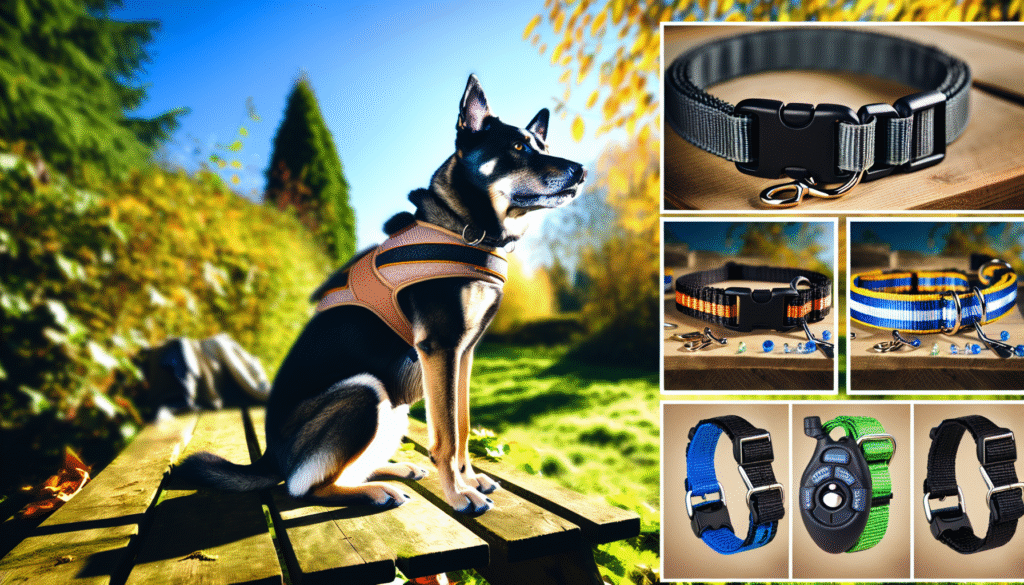
Dog collars are essential tools for pet identification, leash control, training, and safety, but selecting the right dog collar directly impacts your dog’s comfort and long-term health. This comprehensive dog collar guide examines types, materials, training options, and fitting best practices to help you find the safest, most effective do
Dog Collars overview
Dog collars are bands or straps that sit around your dog’s neck to hold ID tags, attach a leash, improve visibility, or deliver training cues. Well‑chosen dog collars reduce the risk of escape, support clear communication on walks, and help keep your dog safe in everyday life.
Dog collars are not “one size fits all,” because neck shape, coat type, health, and behavior all influence which design is safest and most comfortable. For dogs with respiratory or neck issues, harnesses may be a better primary restraint, with dog collars used only for ID and legal tags.
Dog collars materials
Different dog collars materials change durability, comfort, water resistance, and maintenance needs. Matching material to your dog’s lifestyle prevents chafing, odor buildup, or premature failure.
Leather dog collars: Strong and long‑lasting when conditioned, comfortable once broken in, but can stretch if often soaked and need regular cleaning and leather care.
Nylon dog collars: Lightweight, inexpensive, quick‑drying, and available in many designs, but rough edges can irritate sensitive skin or rub coat if fitted too loosely or tightly.
Neoprene or padded dog collars: Add cushioning and water resistance for active or swimming dogs, helpful for dogs prone to rubbing or hot spots around the neck.
Metal or chain dog collars: Mostly used as training tools (slip or choke chains) and not recommended for everyday wear due to higher risk of injury and discomfort.
When choosing dog collars, look for smooth edges, rust‑resistant hardware, and stitching that feels soft, not abrasive, against your dog’s neck.
Everyday dog collars types
Everyday dog collars are meant for regular wear, ID, and basic leash walks. The right everyday dog collars balance security with comfort and low risk of injury for your specific dog.
Flat buckle dog collars: Classic adjustable collars with a buckle or clip, ideal for most dogs with normal necks and no escape history.
Quick‑release dog collars: Feature a side‑release buckle that opens under strong force or when manually pressed, useful in multi‑dog homes or for unsupervised wear.
Safety stretch dog collars: Include an elastic segment that allows a dog to pull free if caught, trading some security for emergency escape.
Martingale dog collars: Limited‑slip designs that tighten gently when the leash is pulled, preventing dogs with narrow heads (e.g., greyhounds, whippets) from slipping out.
Decorative or studded dog collars: Primarily fashion or protection from other animals, but studs or heavy hardware can injure playmates or snag during rough play.
For lean, long‑necked breeds and escape artists, martingale dog collars are usually safer than standard flat collars because they tighten just enough to prevent slipping without closing fully.
Special‑purpose dog collars
Some dog collars are designed for visibility, buoyancy, or pest control rather than restraint alone. These dog collars often supplement, rather than replace, your main walking collar or harness.
Reflective and LED dog collars: Improve visibility in low light or traffic, especially important for dark‑coated dogs or roadside walks.
Flotation or buoyancy dog collars: Add extra lift in water but are not a substitute for a life jacket in deep or rough conditions.
Anti‑parasite dog collars: Contain active ingredients (e.g., flea and tick collars) that help control external parasites but must be properly sized and monitored for skin reactions.
Even with special‑purpose dog collars, always check manufacturer instructions and avoid combining incompatible products, such as multiple medicated collars at once.
Health, safety, and welfare with dog collars
Dog collars that are too tight, too narrow, or used on the wrong dog can damage the trachea, irritate the skin, and worsen existing medical conditions. Small breeds, toy breeds, and brachycephalic dogs are especially vulnerable to neck pressure and often benefit more from harnesses than from neck‑based restraint.
Studies and veterinary guidance highlight that pressures from neck dog collars can affect the trachea, cervical spine, and even eye pressure, especially when dogs pull hard on the leash. Wider, padded dog collars reduce pressure per unit area, but for chronic pullers or dogs with respiratory or spinal issues, a well‑fitted harness is generally safer.
Fitting dog collars correctly
Correct fitting is crucial so dog collars stay secure without causing discomfort or injury. A poorly fitted collar—too tight or too loose—is a major risk factor for skin damage, escape, or airway problems.
Measure the neck at its base with a soft tape and add a small allowance (about 2–5 cm depending on size) for movement and coat thickness.
Use the “two‑finger rule”: you should slide two flat fingers between the collar and your dog’s neck; the collar should feel snug but not restrictive.
For martingale dog collars, adjust so that when fully tightened under leash tension, the two main rings almost—but do not quite—touch; the collar should not fully close around the neck.
Regularly check your dog collars for frayed webbing, cracked leather, rusted hardware, or stretched elastic, and replace at the first sign of failure risk.
Choosing the best dog collars for your dog
The best dog collars depend on several criteria: purpose, size and morphology, age and health, behavior, and environment. Matching dog collars to each criterion reduces welfare risks and improves control on walks.
Purpose: Everyday ID and casual walks favor flat buckle or quick‑release dog collars; stronger control needs may call for martingale collars or harnesses.
Size and breed: Small or toy breeds and brachycephalics often do safer with harnesses plus lightweight dog collars for ID, while long‑necked sighthounds need wider martingale collars to avoid slipping.
Age and health: Puppies benefit from soft, adjustable dog collars that can grow with them, whereas dogs with existing respiratory or spinal issues should generally avoid heavy neck pressure and use harnesses.
Behavior and activity: Strong pullers, reactive dogs, or canine athletes often require front‑clip harnesses or specialized equipment, with dog collars kept for tags and backup safety.
City dogs may need reflective dog collars, while rural or off‑leash dogs benefit from durable, waterproof designs and secure ID tags.
Dog collars vs harnesses
Harnesses spread force across the chest and shoulders instead of concentrating it on the neck, making them an important alternative or partner to dog collars. This is especially relevant for dogs that pull, have delicate tracheas, or need extra control.
| Situation | Dog collars benefits | Harness benefits |
|---|---|---|
| Everyday ID & licensing | Dog collars hold ID, license tags, and are legally expected in many areas. | Harness still needs a small dog collar for ID and contact info. |
| Strong pulling on leash | Neck dog collars can increase pressure on throat and spine when the dog pulls. | Front‑clip harnesses redirect pulling and reduce neck strain. |
| Trachea or neck problems | Even wide dog collars may pose some risk for sensitive dogs. | Harnesses avoid direct neck pressure and are usually recommended. |
| Escape risk / narrow heads | Martingale dog collars help prevent slipping over the head. | Well‑fitted harnesses with multiple adjustment points add extra security. |
Using both dog collars and harnesses together—collar for ID, harness for leash attachment—is often the safest setup for many family dogs.
Dog training collars and ethics
Dog training collars include mechanical tools (martingale, prong) and electronic tools (e‑collars, bark collars, invisible fence collars). These dog collars rely on pressure, sound, vibration, or shock to change behavior and carry significant welfare considerations if misused.
Martingale dog collars: Use limited pressure and are generally accepted as humane when sized correctly and used as a safety tool for escape‑prone dogs.
Prong or pinch dog collars: Apply concentrated pressure via blunt prongs and can cause pain, fear, and injury if misused; many welfare organizations advise against them except under strict professional guidance.
Electronic dog collars (shock, bark, invisible fence): Deliver aversive stimuli and are linked with increased stress, fear, and potential aggression, leading some regions to restrict or ban them.
Citronella and ultrasonic dog collars: Rely on spray or sound to interrupt barking but may still cause stress and are often less effective than behavior modification.
Professional behavior bodies and many veterinary groups recommend positive‑reinforcement methods as first‑line approaches instead of aversive dog collars.
Safe use of dog training collars
When dog training collars are used, they should be introduced carefully, calibrated to the lowest effective level (if electronic), and paired with reward‑based training, not punishment. Poor timing or excessive intensity can create anxiety, confusion, or new behavior problems.
Use dog training collars for short, structured sessions, never as 24/7 equipment.
Test electronic dog collars at the lowest level in a calm setting, and observe your dog closely for signs of stress or panic.
Never rely solely on correction from dog training collars; always teach alternative, desired behaviors with positive reinforcement.
Check local laws, because some countries and regions have bans or restrictions on shock dog collars and other aversive devices.
If your dog shows fear, shutdown, or aggression with dog training collars, stop using the tool and contact a vet or certified behavior professional.
Maintenance and care of dog collars
Routine inspection and cleaning extend the life of dog collars and protect your dog’s skin. Dirty, stiff, or damaged dog collars can rub, trap moisture, and harbor bacteria or parasites.
Leather dog collars: Wipe with a damp cloth, let dry away from heat, and condition periodically with leather conditioner to prevent cracking.
Nylon and synthetic dog collars: Hand‑wash with mild soap, rinse thoroughly, and air‑dry; avoid harsh detergents that could irritate skin.
Electronic dog collars: Check batteries frequently, clean contact points, and inspect for cracked casings or exposed wiring.
Replace dog collars if you see fraying, stretched holes, broken buckles, or rusted D‑rings, because hardware failure can lead to sudden escapes or injuries.
Warning signs and when to seek help
Dog collars should never cause ongoing discomfort, skin damage, or behavior changes. Early recognition of problems helps protect your dog’s welfare and prevents small issues from becoming serious injuries.
Watch for coughing, gagging on leash pressure, hair loss around the neck, redness, swelling, or your dog resisting the collar being put on. If any of these appear, remove or adjust your dog collars and consult your veterinarian or a qualified trainer to choose safer equipment and update your handling techniques.
g collar for your dog’s breed, behavior, and daily routine.
Understanding Dog Collars Purposes and Materials
Dog collars are bands or straps made to encircle a dog’s neck, serving multiple crucial functions. The primary purposes of a collar include restraint (holding a leash, tethering the dog), identification (holding tags with owner and rabies info), fashion (personal expression or aesthetics), protection (visibility or anti-pest), and training (guidance, behavior control). For example, a flat buckle collar with an ID tag is required by law in many areas for pet identification, while reflective collars are often used on nighttime walks for safety.
Common materials include:
- Leather: Durable and comfortable when broken-in but may stretch when wet and require maintenance.
- Nylon: Lightweight, strong, inexpensive, and dries quickly but can cause matting or irritation on sensitive skin.
- Metal: Mostly for training (chain/slip collars); durable but uncomfortable for regular use.
- Neoprene: Padded, water-resistant and good for active dogs or those with skin sensitivities.
Material influences not only durability and comfort but also a collar’s weight and suitability for your dog’s lifestyle.
Everyday collar types include:
- Flat buckle collars: Secure and adjustable, ideal for daily wear; can slip off narrow-headed breeds.
- Quick-release/break-away collars: Release under pressure; increase safety for dogs that play rough or are often unsupervised.
- Safety stretch collars: Elastic segment helps dogs escape if caught, but less secure for leashing strong pullers.
- Martingale collars: Prevent escape for dogs with slim heads (e.g., sighthounds); tighten when pulled but safer than choke chains.
- Stud/decorative collars: Primarily for style or protection from other animals; risks injury in play or if improperly fitted.
Special-purpose collars and attachments:
- Reflective/lighted collars: Enhance visibility in low light or urban environments; essential for dark-coated dogs or night walks.
- Flotation collars: Add buoyancy for water-loving breeds or swimming trips.
Health and safety: Poorly chosen collars can lead to tracheal injury, especially in small or short-necked breeds, and may cause chronic neck pain or risk of escape. For persistent pullers, puppies, or dogs with a history of tracheal collapse, a properly fitted harness is often safer than any collar. Martingales help prevent escape, but always monitor for excessive tightening.
For fitting, the general guideline is the “two finger rule”: two flat fingers should slip between collar and neck. For martingales, ensure the tightening loop does not fully close around the neck. Break-away designs are best for dogs left unsupervised or playing off-leash. Adjust for head shape to avoid slippage, especially in breeds like Greyhounds or Whippets.
Collar type and fit should always factor in your dog’s breed, age, behavior, and health status. In the next chapter, the focus turns to matching the right collar for your unique dog’s needs and daily routine.
Choosing the best collar for your dog
To choose the best collar for your dog, use these key criteria:
- Purpose of use
- Dog size and breed morphology
- Age and health status
- Typical behavior
- Activity type
- Environment and owner/legal preferences
How each criterion guides selection:
- Purpose: Everyday wear calls for a flat buckle or quick-release collar; identification tags require steady attachment; control or training may require specialty collars.
- Dog size and breed: Small breeds with delicate necks, like Chihuahuas, benefit from lightweight collars or step-in harnesses to reduce tracheal risk. Greyhounds and whippets, with narrow heads, often need martingale collars to prevent slipping. Deep-chested breeds can wriggle out of flat collars, so a limited-slip design is safer.
- Age/health: Puppies require soft, lightweight, and adjustable collars to accommodate growth. Dogs with respiratory issues or history of neck injury do better in harnesses that avoid neck pressure.
- Behavior: Pullers or overexcited dogs may need a front-clip harness or headcollar for better control without injury risk.
- Activity: Swimmers need waterproof collars; dog-sport participants may need a sturdy working collar or harness for equipment attachment.
- Legal/owner: Urban areas may require visible ID tags or reflective materials; breed-specific regulations can influence collar type.
Common scenarios and top choices:
- Daily city walks: Flat buckle or quick-release collar (for safety and ID); front-clip harness for leash-pulling dogs.
- Off-leash recall training: Martingale collar (security) or long-line harness.
- Escaping/slipping risk: Martingale or safety stretch collar for narrow heads.
- Swimming/beach outings: Waterproof, odor-resistant collar (neoprene or Biothane); quick-release feature for safety.
- Households with multiple dogs: Color-coded, quick-release collars for easy identification and safety.
Correct sizing and fit:
- Measure your dog’s neck with soft tape, adding room for two fingers between collar and neck.
- Choose width: 1cm or less for tiny dogs, 2–3cm for medium/large dogs—wider gives more comfort and less risk of injury.
- Pick an adjustable model for growth or weight changes.
Pre-walk checklist:
- Check for secure fit (won’t slip over head, not too tight)
- Inspect collar material and fasteners for wear
- Ensure ID tags are readable and attached
Environmental features:
- Reflective stitching or strips for low-light visibility
- Integrated LED lights for night walks
- Weatherproof construction for rain, snow or heavy use
If your dog has medical challenges, a history of neck injury, or severe behavioral issues, consult your veterinarian or a certified trainer. The next chapter will dig deeper into training collars and their complexities.
Dog training collars explained
Dog training collars serve as tools in behavior management, leveraging the principles of operant conditioning—using controlled consequences to reinforce or discourage behaviors. While they offer efficiency in specific training scenarios, collars for training must always be chosen with an understanding of their mechanism, intended purpose, and the risks they pose if misused.
- Mechanical training collars like martingale collars and prong collars function primarily through pressure. Martingales gently tighten under tension to prevent escape but settle loosely when the dog is not pulling.
Prong collars use blunt prongs to distribute pressure evenly. They are only for specific training issues and when properly fitted high on the neck, just behind the ears.
Martingale pros:- Reduced risk of slipping
- Gentle, limited tightening
Cons:
- Ineffective for strong pullers
- Incorrect fit risks choking
Prong collar pros:
- Effective for strong, hard-to-control dogs
Cons:
- Can cause pain or injury if misused
- Negative public perception
- Electronic collars (“e-collars”) use remote or automatic activation, delivering shock, vibration, or tone. Bark-control collars activate in response to barking. Invisible fence collars enforce boundaries via warning and correction.
Pros:- Remote or hands-off control
- Variety of cues and intensities
Cons:
- Potential for pain, stress, misuse
- Risk of fear, anxiety, or confusion
- Non-electric deterrent collars like citronella spray and ultrasonic collars interrupt unwanted behavior without electric shock.
Pros:- Perceived as less aversive
Cons:
- Variable effectiveness
- May cause distress or startle
- Harness-based alternatives such as front-clip no-pull harnesses offer control without neck pressure—suitable for dogs with tracheal sensitivity or respiratory issues. Pros:
- Distributes force across chest
- Less risk of neck/throat injury
Cons:
- Some dogs resist or escape poorly fitted options
Risks and welfare concerns:
-
-
- Aversive collars (prong, shock, citronella) can cause pain, fear, stress and even aggression if misused
- Some regions legally restrict or ban electronic and prong collars
- Prolonged use or poor fit increases injury risk
- Misapplied aversives risk interfering with positive learning
-
Recommended safety practices:
-
- Seek veterinary or certified trainer advice for behavioral issues
- Always follow fitting guidelines for any collar or training device
- Opt for reward-based training if possible; use aversives only as a last resort and under professional oversight
- Monitor for discomfort, redness, or behavioral changes; discontinue if signs appear
- Learn about relevant local laws and updated welfare standards
- For help deciding what is best in training collars, see best collar selection criteria
Best dog collars and best training collars selection criteria
When evaluating dog collars for everyday use or for training, choosing the “best” option comes down to practical, testable qualities. Start by focusing on safety and adjustability. A good collar should allow a snug but comfortable fit, with enough adjustment holes or sliding hardware to adapt as your dog grows or loses weight.
Universal criteria:
- Safety: Rounded edges, secure closures and reliable release points.
- Fit and Adjustability: Easy to size without extra tail or slack, with adjustment hardware that stays in place.
- Material Quality and Padding: Strong nylon, leather, or biothane; soft, non-chafing linings; no sharp pips or untreated seams.
- Attachment Hardware Strength: D-rings, buckles, or sliders should be metal, solid plastic, double-riveted and free of sharp edges.
- Corrosion and Water Resistance: Waterproof coating or rustproof hardware whenever possible.
- Visibility: Bright colors, reflectors or LED strips for walks after dark.
- Weight and Comfort: Keep collars as light as possible for size, width should match the dog’s neck, and padding should not retain moisture.
- Ease of Cleaning: Machine washable or simple wipe-down for regular maintenance.
Everyday collars:
- Buckle quality: Metal preferred, fast-release mechanisms should click solidly.
- Stitching: Double-stitched seams, no lose threads.
- D-ring placement: Should sit opposite the buckle, welded, and easy to access.
Working/Active collars:
- Reinforced webbing or biothane: For holding up to strong pullers.
- Integrated handles: Padded, comfortable grip for quick control.
Decorative collars:
- Secure tag attachments: Grommeted holes or reinforced loops for ID tags and licenses.
Training collar feature must-haves:
- E-collars: Several training modes (tone, vibration, shock); incremental intensity with a true low starting point; user-friendly, tactile controls; effective range at least a few hundred yards; minimum 2-day battery; auto-shutoff and lockout functions.
- Martingale: Even stitching, appropriate width, tightening range should prevent any chance of strangulation while staying efficient.
- No-pull harnesses: Leash ring at the chest; proper cross-body strap routing; no pinching behind legs.
Quick buyer checklist:
- Inspect for frayed edges, weak or thin buckles, bent D-rings and loose or uneven stitching.
- Check sizing charts—if possible, try on in-store or double-check actual measurements with a tape measure at home.
- Weight test the hardware; snap and unsnap to assess ease of use and strength.
Avoid these common defects:
- Stiff, abrasive materials, especially on the edges.
- Unstable adjustment hardware that slips during use.
- Collar widths too narrow for strong dogs, or too wide for small breeds.
For value comparison:
- Invest in top-quality, secure options for active, strong, or often-off-leash dogs—failures pose real risks.
- Budget choices can suffice for calm, supervised pets, but only if above hardware and fit standards.
Once features are measured, your shortlist should include collars meeting every core criterion for your purpose, allowing you to focus on precise fit and long-term ease of use. The next chapter will guide you through fitting, maintenance and building a safe, effective training routine using your chosen collar.
Fitting maintenance and safe training plan
Proper fitting and routine maintenance are essential for ensuring comfort and safety, following the collar selection process outlined earlier. To fit an everyday collar, measure your dog’s neck at the base and add two inches for adjustment. Use the two-finger test: after fastening, slide two fingers flat between the collar and neck; it should be snug but allow movement. Check that the D-ring sits at the back of the neck for leash attachment. For puppies, fit for growth but avoid excess slack. Deep-chested or slender-headed breeds may require martingale-style collars for security. Dogs with tracheal sensitivity (toy breeds, brachycephalics) often benefit from well-fitted harnesses—ensure the chest piece rests below the throat and that straps do not pinch.
Acclimate your dog to new collars and harnesses gradually. Begin with short, supervised periods of wear, rewarding calm behavior with treats and praise. Increase duration as your dog relaxes. Watch carefully for skin redness, hair loss, or persistent scratching—early signs of poor fit.
For training collars, always start with the least aversive mode or lowest setting (tone/vibration before using static, if available). Test responsiveness in a familiar, distraction-free setting. Use training collars in brief, positive-reinforcement-based sessions only. Log progress, and review outcomes regularly. If the collar malfunctions, the dog panics, or shows fear or distress, stop use immediately. Understand and locate any “shutdown” or override features on the device before the first use.
Collar maintenance: Leather—gently wipe with damp cloth, condition monthly. Nylon—hand-wash with mild soap, air dry. For electronic collars, check batteries weekly and inspect contacts; replace batteries as per manufacturer guidance. Inspect all collars monthly for frays, rust, buckles, or D-ring failure. Replace at first sign of wear.
Warning signs include raw skin, swelling, aversion to collar, or behavioral changes. Remove the collar at once and consult a veterinarian or certified trainer.
Always follow local laws regarding training devices, opt for humane techniques, and consult qualified professionals as needed. These best practices lay the groundwork for a safe, effective, and compassionate training plan.
Conclusions
Selecting the right collar means balancing purpose, fit and your dog’s health and temperament. Flat and martingale collars work well for everyday use; harnesses protect vulnerable necks; training collars require careful, informed use and often have non-aversive alternatives. Prioritize safety checks, correct fitting and positive reinforcement. For complex behavior or medical concerns consult a veterinarian or certified trainer to choose the safest, most effective option.
