

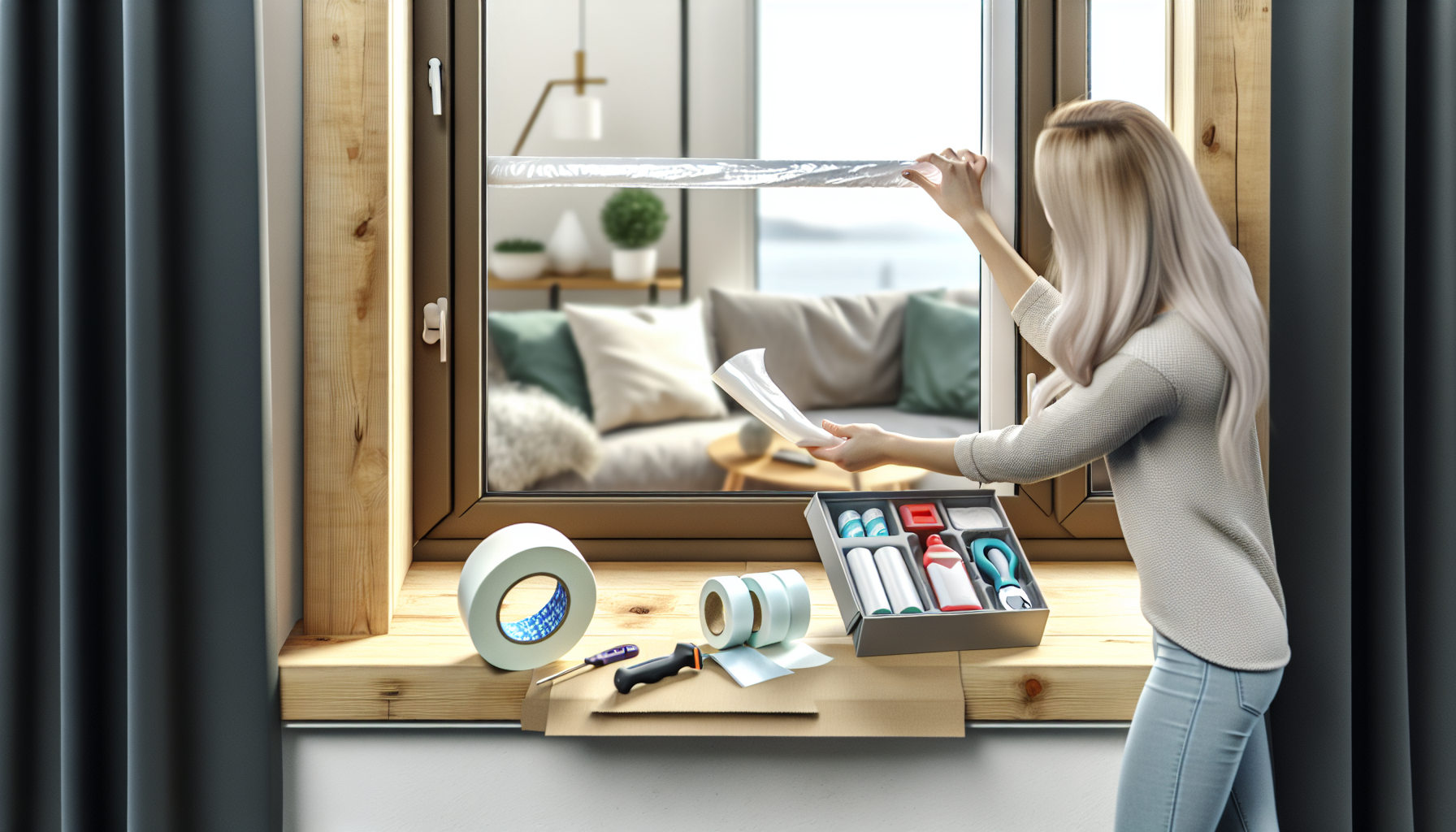
Window sealing tape and window sealing kits are simple, cost-effective ways to stop drafts, reduce noise, and lower heating and cooling costs. This article explores how different sealing materials work, how to choose the right kit for your windows, step-by-step installation, and long-term maintenance to maximize performance and lifespan.
Why Window Sealing Matters and Which Materials Work Best
Window Sealing Types and Materials
Window sealing products fall into a few main categories, and the right choice depends on gap size, movement, weather exposure, and whether you’re sealing interior or exterior joints. Silicone sealants are widely used for window sealing because they remain flexible, resist UV, and handle moisture well—especially on exterior frames. Acrylic (latex) caulk is common for interior window sealing where paintability matters, but it may not last as long outdoors. Polyurethane sealants offer strong adhesion and durability for tough exterior window sealing jobs, though they can be messier to apply. For larger voids, expanding foam can support window sealing by filling cavities, but it typically needs trimming and a proper finishing sealant over the top. Weatherstripping (rubber/foam strips) is also a core window sealing material for sashes and moving parts, reducing drafts without permanently bonding surfaces.
Window Sealing Construction and Behavior
Effective window sealing works as a system: the frame, glazing, and surrounding wall opening must all manage air leakage and water drainage correctly. Many windows include weep paths (drain outlets) that allow moisture to escape; a common mistake is blocking these during window sealing, which can trap water and cause rot or mold. Exterior window sealing usually relies on a combination of backer rod (for deep gaps), a compatible sealant bead, and proper joint geometry so the sealant can stretch with movement rather than tear. If the frame shifts slightly with temperature changes or building settlement, the window sealing material must flex without cracking or pulling away.
Window Sealing Sealants: Composition and Function
Sealants used for window sealing are designed to block air and manage moisture at joints, but they’re not all interchangeable. Silicone is highly water-resistant and ideal for many exterior window sealing applications. Acrylic is easier to tool and paint, so it’s often preferred for interior window sealing at trim lines. Polyurethane provides strong bonding for challenging substrates and heavy exposure, making it a robust option for exterior window sealing where durability is critical. Backer rod helps control sealant depth and prevents three-sided adhesion, improving the long-term performance of window sealing in wider joints.
Common Window Sealing Failure Modes
- Cracked or Shrunk Sealant: Visible splits or gaps along the frame often lead to drafts and moisture entry—re-window sealing is usually needed.
- Sealant Separation (Loss of Adhesion): The bead peels from one side due to poor surface prep or incompatible materials, causing window sealing failure even if the sealant looks intact.
- Overfilled or Blocked Drainage Paths: Excess sealant blocks weep holes, trapping water behind the frame—this is a major window sealing mistake.
- Worn Weatherstripping: Compression failure or tearing allows air leakage; replacing weatherstrips restores window sealing performance without re-caulking everything.
Environmental Factors That Affect Window Sealing
- UV exposure degrades many sealants over time, especially in exterior window sealing.
- Thermal expansion/contraction moves frames and joints, stressing window sealing beads.
- Humidity and wind-driven rain test adhesion and waterproofing at the same time.
- Dust/paint/chalky surfaces reduce bonding and shorten window sealing lifespan.
Window Sealing Problem Severity Checklist
- Minor draft, no moisture signs? Likely a small window sealing upgrade (weatherstrip or touch-up bead).
- Water staining, damp drywall, or bubbling paint? High priority—window sealing or flashing/drainage issues may be present.
- Recurring condensation or musty smell near frames? Check drainage paths and the integrity of window sealing around the opening.
- Multiple windows failing similarly? Could indicate installation or building movement—consider a professional assessment before repeating window sealing across the home.
Diagnostic Photo Ideas (for Your Article)
- Close-up of failed window sealing showing cracked sealant along the frame edge.
- Macro photo of peeling sealant bead (adhesion loss) on exterior window sealing.
- Weatherstripping wear on a sash with light showing through (air leak) impacting window sealing.
How to Choose the Right Window Sealing Kit
Good window sealing starts with inspection, cleaning, and picking the correct material for the joint. Match the kit to your gap size and location: interior vs exterior, painted vs non-painted surfaces, and fixed joints vs moving parts. For best results, combine the right sealant with proper surface prep and avoid blocking drainage features while window sealing.these steps to diagnose problems and determine repair priority.
- Preparation:
- Wear personal protective equipment (gloves, non-slip footwear, safety glasses).
- For roof tile repair, use a sturdy ladder on level ground; always have a spotter or secure the ladder.
- Carry a flashlight, probe, moisture meter, and for roof inspection, binoculars for close-up views without climbing excessively.
- Roof Inspection Routine:
- From the ground, visually assess for slipped, cracked, or broken tiles, displaced ridge caps, and obvious gaps using binoculars.
- Examine roof valleys and around chimneys or vents (roof penetrations) for signs of deteriorated flashing or exposed underlayment—these are common leak sources.
- Indoors, check attic or ceiling for water stains; if stains are present, use a moisture meter to confirm if the issue is active. Distinguish roof leaks (wider, sometimes brownish marks after rain) from plumbing leaks (localized, near water fixtures).
- Floor and Shower Tile Inspection:
- Tap tiles gently with a handle—hollow sounds suggest loose tile or failed substrate.
- Look for cracked grout, loose tiles, efflorescence (white powder), and mold, especially in corners or by shower curbs.
- Test for movement by applying gentle pressure; any flex or sponginess indicates subfloor or backerboard problems. Moisture meters are critical for invisible leaks—especially for shower tile repair and ceramic tile repair.
Prioritizing Your Repairs:
- Emergency: Active leaks (water dripping, visible moisture), sagging ceilings, or structural rot—require immediate attention and may be claimable via “tile repair near me” pros or insurance.
- Urgent: Spreading cracks, shifting tiles, mold in grout, or water intrusion—schedule roof tile repair or grout specialists promptly.
- Maintenance: Minor chips, joint discoloration, slow grout deterioration—address with regular tile grout repair or ceramic tile repair kits.
Inspection Photography Tips:
- Shoot in natural daylight with a steady hand; close-ups and context shots showing entire problem area.
- Photograph both surface damage and affected adjacent areas (e.g. tile rows on a roof or whole shower wall).
- Include tape measure in photos for scale and document moisture meter readings if possible.
Info to Gather Before Contacting Tile Repair Near Me:
- Area measurements (length, width, thickness of tile/floor/roof section).
- High-quality photos as described above.
- For roofs: note the roof pitch, tile material/type, and estimate age of previous repairs if known.
If you observe widespread moisture or can’t identify the leak source, it’s advisable to use a professional moisture meter or bring in leak detection specialists before attempting repairs.
Step by step installation of window weather sealing tape
Tile and grout repair projects are only as successful as the materials and tools selected for the job. Whether addressing roof tile repair, floor tile repair, shower tile repair, or tackling ceramic tile repair, using proper adhesives, grouts, and tools ensures durable, seamless results.
Reference Materials
- Replacement Tiles: Always source matching tiles for roof, floor, or shower applications, considering color, texture, and material (ceramic, porcelain, concrete/clay roof).
- Tile Adhesives: Thinset mortars (standard or polymer-modified) offer secure indoor/outdoor bonds; epoxy adhesives provide superior waterproofing and strength for heavy duty or high-traffic situations.
- Color-Matching Repair Compounds: Use for touch-ups, chip & tile crack repair, and blending new tiles into existing surfaces.
- Grouts: Cementitious grouts (sanded/unsanded) are common for basic floor and wall tile; epoxy grouts resist stains and water, ideal for showers or high-moisture zones.
- Sealants and Waterproofing Membranes: Silicone caulk for expansion joints (especially shower tile repair); membrane sheets or liquids under showers or as roof underlayment.
- Roof Tile-Specific: Underlayment (felt, synthetic rolls), flashing sealants (UV-resistant), and tile clips or anchors for storm resistance.
Core Tile Repair Tools
- Grout Float: Smoothly packs grout into joints.
- Margin Trowel: Spreads thinset in tight spaces.
- Chisel & Tile Nippers: Remove damaged tiles and shape replacements.
- Wet Saw/Tile Cutter: Accurate cutting for ceramic tile repair or tile replacement.
- Grout Saw: Clears out old grout efficiently.
- Caulk Gun: Applies sealant cleanly along seams/edges.
- Mixing Bucket, Sponge: Prepares grouts/adhesives and cleans up excess.
- Safety Gear: Gloves, eye protection, and ventilators (especially with adhesives or dust).
Tile Repair Kits
- Contain: color-matched epoxy/resin, an applicator syringe or stick, micro-grout for small joints, tiny tile clips or anchors (for roof work), and finishing pads.
- Use: Best for chip repair, hairline cracks (tile crack repair), and small grout repair; not suitable for structural fixes or large tile replacement.
- Limits: May struggle to match heavy patterns or textures—check kit compatibility with both glazed and unglazed tiles.
Choosing Materials: Step-by-Step Essentials
- Epoxy Grout: Use where stain-resistance and waterproofing are needed (showers, backsplashes).
- Cement Grout: Best for low-traffic floors and simple ceramic tile repair.
- Flexible Silicone Caulk: At perimeter joints and change-of-plane (shower corners, over tub). Rigid grout cracks if used here.
- Roof Tiles: Use exterior-grade adhesives, roofing underlayment, and weatherproof flashing materials.
Chemical and Environmental Considerations
- Check manufacturer’s datasheet for cure times—cold or humid weather may extend set time, especially for roof tile repair.
- Confirm compatibility of adhesives/grouts with tile’s surface (glazed vs. porous).
- Always provide ventilation and wear gloves when handling caustic adhesives, sealers, and cleaners.
Shopping Checklist
- Matching replacement tile(s)
- Thinset or epoxy adhesive
- Cement or epoxy grout (check for color-match)
- Appropriate sealant (silicone for wet, paintable latex for dry areas)
- Grout float, trowel, chisel/tile nippers, wet saw/tile cutter
- Gloves, eye protection, drop cloth
- Tile repair kit for minor tile/grout repair (chips, cracks, small fill-ins)
For best results, always review product datasheets to ensure tile and grout repair materials are suited to your specific project conditions and tile type.
Performance comparison of tapes gaskets and kits
Tile Roof Repair (Replacing a Broken Roof Tile)
- Safety & Preparation: Work on dry days; use roof ladders or harnesses. Wear gloves and eye protection. (1 hour, replacement tile $5–$25 each)
- 1. Examine the damage—if broken tile exposes underlayment, assess for moisture or rot. Photograph area for reference.
- 2. Carefully lift overlapping tiles with a flat pry bar to access the damaged piece. (Photo: close-up of tool positioning)
- 3. Slide out the broken tile; remove nails/clips if present. Inspect underlayment for tears or decay; patch with roofing membrane if needed. (Extra membrane: $10–$30/roll)
- 4. Fit new tile: align with adjacent tiles, secure using roofing nails, clips, or recommended adhesive based on your system.
- 5. Lower overlapping tiles gently to avoid shifting.
Ceramic Floor Tile Crack Repair
- Safety & Prep: Wear eye protection; clear the workspace. (30min–2hrs, repair compound $10–$20, replacement tile $3–$10, thinset/grout $5–$15/bag)
- Surface Hairline Cracks: Clean crack; fill with color-matched epoxy or resin; smooth and buff. (Tile repair kit helps with minor chips/hairline cracks.)
- For deep/larger cracks:
- 1. Use a grout saw to remove grout around tile; chisel out broken tile carefully without damaging subfloor.
- 2. Inspect subfloor—if loose, repair before proceeding.
- 3. Spread fresh thinset; bed new tile flush with neighbors.
- 4. After adhesive sets (usually 24h), regrout and clean excess. Seal once dry.
Shower Tile & Grout Repair
- Safety & Preparation: Wear gloves; ventilate area; allow tile to dry fully. (2–4hrs, grout $10–$25, sealant $8–$20)
- 1. Use a grout saw to remove old/damaged grout. Check for leaks—recurring moisture may indicate membrane failure.
- 2. Clean joints thoroughly; let dry.
- 3. Mix new grout (choose waterproof epoxy grout for showers); pack into joints with a float.
- 4. Wipe excess grout after 15–20 min; shape joints. Let cure per package instructions.
- 5. Seal joints after drying; apply silicone sealant at changes of plane (corners/floor–wall).
Troubleshooting & Guidance
- If adhesive won’t set, check expiry or conditions—humidity and temperature matter.
- Grout color mismatch: mix small test batch and adjust pigment before applying everywhere.
- Persistent leaks: may signal waterproofing membrane issues—call a tile or waterproofing specialist.
- Cosmetic (surface only) cracks/chips: use a tile repair kit for spot fixes.
- Broken tiles, recurring roof leaks, or subfloor/membrane damage: require full replacement/structural repair.
Helpful Images:
- Diagram showing safe tile lifting on roofs.
- Stepwise photos for removing/installing a floor tile.
- Photos of grout removal and correct silicone/epoxy application in showers.
Maintenance troubleshooting and calculating savings
Choosing DIY Versus a Professional
- DIY-Appropriate Repairs: Handling small cosmetic chips, isolated tile crack repair using adhesives, minor grout repair touch-ups, and swapping a single loose tile (when no structural damage exists) are tasks a careful homeowner can approach.
- Hire a Pro When: Your project involves tile roof repair for active leaks, replacement of underlayment, damage to roof structure, extensive or patterned floor tile repair, matching historical tile, or shower tile repair where waterproofing may be compromised. Also, call for help if mold, rot, or persistent leaks are present.
How to Find Qualified Help for Tile Repair Near Me
- Search with terms like “tile repair near me”, “tile roof repair”, and “grout repair contractor” in major search engines and map apps.
- Use local directories and the websites of trade associations.
- Check reviews on platforms that verify jobs (such as Angi, HomeAdvisor, Google Business, or Yelp).
- Request before/after photos and at least two local references to confirm skill with similar repairs.
- Verify licenses, insurance, and, for roofing, ask about manufacturer certifications and warranty registration.
Questions to Ask Before Hiring:
- Are you insured and licensed for tile/roof work?
- Do you offer written warranties on workmanship and materials?
- What materials will you use, and can you match my existing tiles?
- How will debris be disposed of?
- Is a permit required and who handles it?
- How do you manage roof system or manufacturer warranties?
- What is the expected project timeline?
Cost Ranges and Pricing Models
- Small tile or grout repairs: $100–$300 (flat or hourly).
- Partial replacements or shower sections: $300–$800.
- Major roof tile replacement: $1,000–$3,000+ (per square or project rate).
- Always get 2–3 written estimates, compare line-items, and be skeptical of bids far below the average range.
Post-Repair Maintenance Templates
- Roof: Inspect every spring and fall; after storms.
- Interiors: Inspect tile and grout quarterly for cracks, discoloration, or loose sections.
- Shower/bath: Reseal grout every 1–2 years; use a grout caulk in wet areas.
- Note: Keep a simple checklist for seasonal checks and flag early warning signs.
Sustainable and Long-Term Choices
- Choose durable tiles like porcelain or recycled-content options.
- For roofs, request breathable underlayments and energy-efficient options.
- Opt for low-VOC grouts, adhesives, and sealers to improve indoor air quality.
Sample Estimate Request Email:
Hello,
I’m looking for help with [type: tile roof repair / floor tile repair / grout repair, etc.] at my home in [your area].
Could you please provide an estimate? I have attached:
- Photos of the damaged area (overview and close-up)
- Details: [tile type, approximate age, size of area, known substrate condition]
Please let me know your approximate timeline, warranty details, and a rough cost breakdown.
Thank you!
Conclusions
Proper window sealing using the right tape or a complete window sealing kit improves comfort, lowers energy bills, and slows window deterioration. Choosing materials suited to the gap size, frame type, and exposure—followed by careful surface prep and correct installation—delivers the best life-cycle value. Regular inspections and timely maintenance preserve performance and maximize savings over years.

[…] but may underperform in energy efficiency. For related energy-saving tips, check out 9 Best Window Sealing Kits to further reduce […]
[…] meet code. If you’re in a cold climate, include quality window sealing kits and HVAC. Our guide to window sealing kits can help cut drafts and keep energy bills […]
[…] thermometers and smoke pencils to DIY-identify leaks around windows and doors—then reference our window sealing kit review for fast […]