

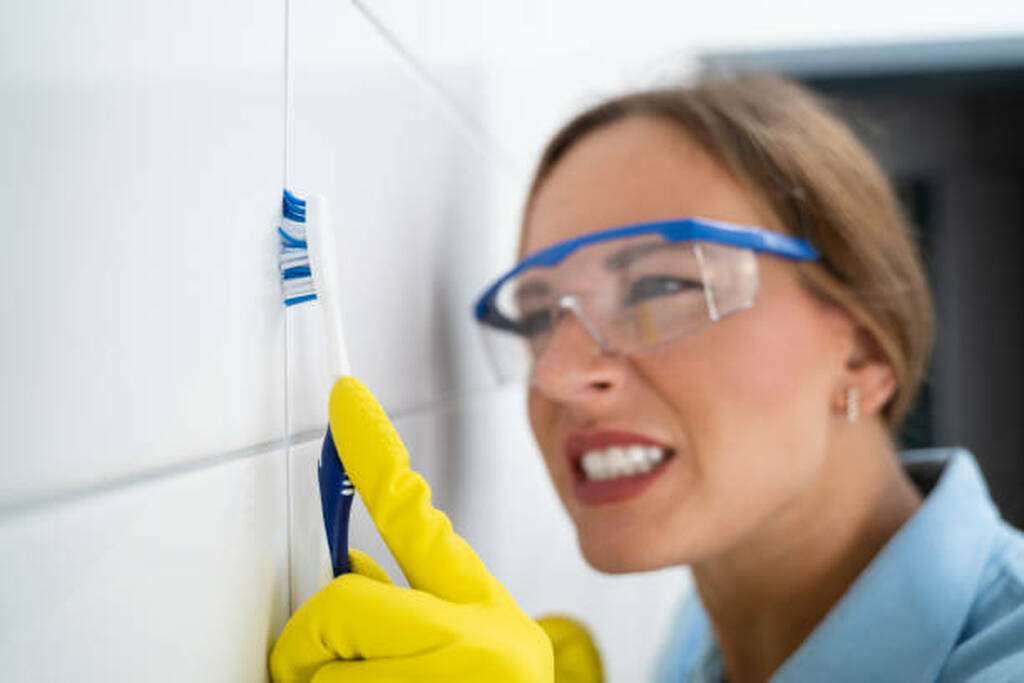
Tile and Grout Cleaning is essential to keeping your floors and walls bright, healthy, and long-lasting. Learn whyTile and Grout Cleaning helps prevent problems like grout becoming stained, mold growth, and surface dullness. Understanding why these issues happen is the foundation of effective Tile and Grout Cleaning, whether you’re maintaining ceramic tile, natural stone, or high-traffic surfaces. This section explains how tiles and grout behave, why they fail, and how these factors influence Tile and Grout Cleaning methods, product selection, and long-term maintenance.
Understanding Tiles, Grout Issues, and How They Affect Tile and Grout Cleaning
Tiles are hard-wearing, manufactured or natural surfaces used for covering floors, walls, and other areas. Common materials include ceramic and porcelain (both made from clay and fired at high temperatures, with porcelain being denser and less porous), glass (nonporous, hard, and glossy), and natural stone like marble, granite, limestone, slate, and travertine (variable porosity and hardness; often unglazed). Tiles may be glazed (coated for stain resistance and surface hardness) or unglazed. Porosity refers to the number of microscopic pores through which liquids or contaminants may penetrate; hardness measures resistance to scratching; glaze provides additional chemical and abrasion resistance. These material characteristics play a crucial role in choosing the right Tile and Grout Cleaning approach.
Grout is the material filling the spaces between tiles to bind, reinforce, and seal the gaps. Types include:
- Cementitious grout: Based on Portland cement; sanded (for wider joints) or unsanded (for narrow joints); porous, relatively soft, stains easily, requires sealing. This type often needs more frequent Tile and Grout Cleaning and gentle chemistry.
- Epoxy grout: Two-part resin and hardener; highly resistant to stains, chemicals, and abrasion, low porosity, but harder to apply and clean. It responds differently to Tile and Grout Cleaning products.
- Urethane grout: Pre-mixed, flexible, stain-resistant, less common. Generally easier to maintain during routine Tile and Grout Cleaning.
Because grout composition varies, so does the recommended Tile and Grout Cleaning technique. Cement grout absorbs stains and may erode from over-aggressive cleaning, while epoxy grout repels many stains but resists scrubbing and harsh chemicals. Likewise, soft stones (e.g., marble) and porous grouts require the gentlest Tile and Grout Cleaning methods.
Common Tile and Grout Problems That Affect Tile and Grout Cleaning
Dirt embedding: Grout traps soil and particles, leading to dark lines; caused by open pores and irregular texture; reversible with proper Tile and Grout Cleaning.
Organic stains (mold/mildew): Black or green growths thrive in damp grout. These are common concerns in Tile and Grout Cleaning and often require biocidal treatment.
Oil/grease stains: Appear as dark, sticky patches; extremely difficult to remove from porous grout and unglazed stone; requires strong degreasers during Tile and Grout Cleaning.
Mineral deposits/efflorescence: White, powdery residue caused by soluble salts migrating through grout; treated during Tile and Grout Cleaning using specialized acidic solutions (except on acid-sensitive stone).
Dye transfer and discoloration: Result from spills or improper cleaners; often challenging to eliminate—making targeted Tile and Grout Cleaning essential.
Grout erosion and cracking: Caused by movement, water damage, or overly aggressive cleaners; although Tile and Grout Cleaning can improve appearance, regrouting is often required.
Why Material Sensitivity Matters in Tile and Grout Cleaning
Surface sensitivity is crucial: marble, travertine, and limestone are acid-sensitive due to their calcium carbonate content; acids cause etching, dullness, and structural weakening. This dramatically alters the Tile and Grout Cleaning strategy. Acidic or even mildly acidic cleaners must be avoided on these stones, and only pH-neutral solutions should be used.
Carefully assessing tile and grout materials, recognizing vulnerabilities, and identifying specific issues ensures safe, effective Tile and Grout Cleaning. Matching cleaner pH, chemistry, and mechanical tools to the surface type is essential for long-term maintenance. These principles guide the next chapter, which covers tool selection, chemical handling, and advanced Tile and Grout Cleaning best practices.
Tools Chemicals and Safety for Effective Cleaning
Manual Tools and Equipment
- Nylon Brushes: Ideal for scrubbing cementitious grout and textured tile. Do not scratch glazed or polished surfaces. Limitations: less effective on deep stains or hardened residues.
- Brass Brushes: Suitable for tough dirt on unglazed ceramic/porcelain. Not for use on soft or polished stone; may abrade surface.
- Grout Saws: Useful for removing top surface of discolored grout (not for epoxy grout). Can damage surrounding tile if misused.
- Microfibre Mop: Perfect for general floor cleaning; removes surface residue and works with pH-neutral solutions. Limitation: doesn’t penetrate deep grout lines.
- Bucket and Spray Bottles: Essential for solution mixing, application and controlled spot pre-treatment.
Powered Tools
- Rotary Scrubbers: Accelerate grout cleaning on larger floors; choose soft pads for delicate tiles. Limitation: can splash chemicals, risk to adjacent areas.
- Oscillating Grout Brushes: Designed for deep grout line scrubbing; efficient for long, narrow joints. Not suitable for cracked or loose grout.
- Steam Cleaners: Dislodge embedded soils using high-heat vapor; chemical-free option for most tiles, but avoid on unsealed, water-sensitive stone and loose grout.
- Wet Vacuums: Safely extract dirty water and cleaning solutions. Necessary for preventing residue and speeding drying.
- Pressure Washers: Best for outdoor or commercial tiles; excessive pressure may dislodge grout or damage tile glaze indoors.
Professional Machines
- Truck-Mounted Extractors: Used by specialists for high-volume cleaning and extraction—mainly in commercial settings.
- Floor Grinders (Stone): Restore natural stone tile surfaces; not for porcelain or ceramic. Skilled use required to avoid uneven wear.
Chemical Cleaner Classes
- pH-neutral Cleaners: For regular cleaning on all tiles, especially marble/travertine/limestone. Typical dilution 1:32–1:64. Dwell time 5–10 min. Rinse with clean water. Safe for most surfaces.
- Alkaline Cleaners: (degreasers) for oily/greasy build-up. Dilute 1:10–1:20. Allow 5–15 min dwell. Neutralize with water. Not for acid-sensitive stone.
- Oxidizing Bleaches: (e.g., sodium percarbonate) for organic stains and mildew. Mix per label (often 1:10). Dwell 15–30 min. Safer than chlorine; low odor, gentler on colored grout. Rinse thoroughly.
- Chlorine Bleach: For severe mold/mildew. Use 1:10–1:15 dilution, 5–10 min dwell. Ventilate; risk of pigment loss on colored grout and tile. Never combine with acids or ammonia.
- Acidic Cleaners: (muriatic, phosphoric, sulfamic) for mineral deposits and efflorescence on acid-resistant tile only. Dilute per label (often 1:10–1:20). Dwell 2–5 min. Neutralize with baking soda solution. Never use on marble, limestone, or polished surfaces.
- Enzymatic/Biological Cleaners: Targets organic soils, persistent odors, mildew. Ready-to-use or 1:5–1:20 dilution. Longer dwell (up to several hours). Mild, safe for most tile/grout.
- Epoxy-Safe Products and Grout Colorants: Only on compatible grout; follow manufacturer directions. Used to maintain, recolor, or correct stains on epoxy/urethane grout.
Critical Safety Checklist
- Wear chemical-resistant gloves, safety goggles, and use a respirator when working with acids or strong alkalis.
- Ensure adequate ventilation, especially with bleaches or solvents—open windows, use fans.
- Always test products in an inconspicuous area to check surface compatibility.
- Protect nearby surfaces (carpet, wood, metal fixtures) with plastic or towels during application.
- Have absorbent material/neutralizer for spill response (baking soda for acids).
- Dispose of rinse/chemical water per local regulations—avoid storm drains and garden beds.
- Never mix ammonia or acids with bleach—may release toxic gas.
Choosing Tools and Cleaners Checklist (Based on Chapter One Identification):
- For routine soil on most tiles: microfibre mop + pH-neutral cleaner.
- Organic stains or mildew: nylon brush + oxygen bleach or enzymatic cleaner; use wet vac for extraction.
- Heavy grease: alkaline degreaser + rotary scrubber.
- Mineral/efflorescence (acid-safe only): acid cleaner, rinse, neutralize, spot test first.
- Acid-sensitive stone: never use acidic or strong alkaline products; stick to pH-neutral or special stone-safe cleaners.
- Epoxy grout: use only epoxy-safe chemicals and gentle oscillating tools.
Step by Step Deep Cleaning Methods for DIY
Preparatory Steps:
- Clear the area: Remove all rugs, mats, and movable furniture from the surface to access all tile and grout.
- Vacuum or sweep: Eliminate loose debris and dust with a vacuum, microfibre mop, or broom to prevent abrasion during scrubbing.
- Protect adjacent surfaces: Mask off baseboards, woodwork, metal, and appliances with plastic or painter’s tape to avoid chemical splashes.
- Test in an inconspicuous area: Spot test chosen chemical on a hidden section of tile and grout to check for adverse reactions.
- Read product labels: Review dilution, dwell time, and compatibility with your tile/grout type (see chemical class recommendations prior).
- Use PPE: Wear gloves, goggles, and a mask, especially with strong oxidizers or acids. Ensure good ventilation.
Routine Maintenance Cleaning for Ceramic and Porcelain:
- Dilute pH-neutral cleaner per manufacturer instructions, using cool or warm water.
- Apply solution with a spray bottle or microfibre mop over a small, manageable section (2–4 sq. ft.).
- Allow 3–5 minute dwell time for soil suspension without letting it dry out.
- Scrub grout lines first with a nylon brush: 45-degree angle, brisk back-and-forth motions (~15–20 strokes per linear foot).
- Wipe tiles using a folded microfibre cloth, rinsing frequently.
- Rinse cleaned area thoroughly with clean water.
- Dry with a clean towel or allow to air dry; buff tiles for sheen.
Deep Grout Cleaning for Heavy Organic Stains and Mildew:
- Mix oxygen bleach (e.g., sodium percarbonate) with warm water as per label, or prepare enzymatic solution.
- Pour or spray solution directly on stained grout lines.
- Let dwell for 10–15 minutes to activate stain breakdown (keep moist).
- Agitate using a stiff nylon or specialty grout brush: keep bristles angled to target grout, scrub with short, rapid strokes (~30–40 per linear foot).
- Extract with a wet vacuum or rinse thoroughly with water.
- Wipe and dry all surfaces swiftly to prevent mildew regrowth.
Mineral Deposit and Efflorescence Removal:
- Dilute acid cleaner (phosphoric/sulfamic) only for non-acid-sensitive tile. Always avoid on marble, limestone, or other sensitive stone.
- Apply with caution after a test patch; observe for fizzing or color change.
- Lightly agitate deposits using a nylon brush.
- After 3–5 minutes, neutralize with a diluted alkaline solution or plenty of water.
- Rinse multiple times to remove all residues.
- For acid-sensitive stone: Mechanically remove scale with a plastic scraper or use a poultice of baking soda and water; proceed gently.
Troubleshooting:
- Dark grout after cleaning: Distinguish wet grout (allow more drying time) from staining. If still dark, repeat cleaning with enzymatic or oxidizing bleach.
- Grout powdering: Indicates degraded grout. Avoid aggressive scrubbing; limit water. Restoration or regrouting may be required.
- Color fade: Caused by harsh chemicals or abrasive brushes—switch to gentler products, minimize dwell time.
- Residue/film: Mop with clean water and microfibre cloth; for persistent film, use a diluted solution of white vinegar on compatible surfaces.
- Stubborn stains: Reapply chemical, increase dwell time, or use a small rotary brush. For persistent marks, consider professional options.
Steam Cleaning:
- Use a quality tile/grout steam cleaner with a focused nozzle.
- Recommended for chemical-free cleaning—ideal on ceramic, porcelain, some sealed stone, but never on unsealed or moisture-sensitive stone.
- Work in short bursts, holding the nozzle ~1 inch from grout.
- Wipe or vacuum up loosened debris promptly to prevent re-deposition.
Post-Clean Checklist:
- Dry all cleaned surfaces thoroughly; use towels or fans if needed.
- Ventilate area to speed up grout drying (especially before sealing).
- Apply a grout sealer if recommended (refer next chapter) only after grout is fully cured and dry (usually 24–48 hours).
- Wait at least 2–4 hours before light foot traffic; avoid heavy use or water exposure for 1–2 days post sealing.
Professional and Machine Cleaning Options and When to Hire
Professional-grade tile and grout cleaning combines specialized knowledge with commercial equipment to tackle challenging soil, wear, and restoration demands. Professionals utilize several advanced systems:
- High-speed rotary scrubbers with water recovery: Excellent for large surfaces, agitate deep-seated dirt from textured tiles and grout channels while extracting slurry. Advantages: Thorough, efficient, reduces manual effort. Limitations: Can damage unsealed grout, not for delicate stone. Best for: Commercial floors, extensive porcelain or ceramic zones.
- Truck-mounted steam/spray extraction: Combines heated water and suction for maximum soil removal. Advantages: Deep cleans, superior for allergies, fast drying. Limitations: Requires exterior access, unsuitable for loose tiles. Best for: Heavily soiled homes or large areas.
- Hot-water pressure washers: Controlled PSI with specialty tips safely lift grime. Advantages: Penetrates rough textures, quick. Limitations: Damage risk for weak grout, not for natural stone indoors. Best for: Outdoor patios, commercial kitchens.
- Diamond honing and polishing: Mechanically resurfaces stone for stain, etch, and scratch removal. Advantages: Restores like-new, custom finishes. Limitations: Costly, messy. Best for: Marble, travertine, luxury natural stone.
- Tile and grout steam cleaning systems: Superheated vapor kills mold, breaks down grime. Advantages: Effective without chemicals, great for mildew. Limitations: Not for cracked grout or loose tiles. Best for: Showers, allergy control.
- Grout replacement/recoloring machines: Mechanically remove or apply new grout or colorants. Advantages: Transforms aesthetics, repairs damage. Limitations: Labor-intensive, skill required. Best for: Heavily stained or failing grout lines.
Specialist services expand options:
- Regrouting (eliminates failed or moldy grout)
- Grout color restoration
- Sealing/impregnators for absorbent stone or grout
- Tile leveling/replacement for uneven, broken or hollow spots
- Grout line narrowing/filling (modernizes appearance or solves hygiene issues)
- Stone honing and polishing to restore shine and flatness
Objective criteria for hiring a pro:
- Areas >200 sq ft or >2 rooms (DIY is unwieldy)
- Persistent stains after repeated DIY
- Cracked, missing, or shifting grout (structural failure)
- Acid etch marks, chemical burns, or deep scratches on stone
- High-value stone, or needing specialist tools (diamond pads, extractors, color seals)
How to choose a reputable contractor:
- Ask about certifications (IICRC, stone restoration credentials)
- Request proof of liability insurance and warranty terms
- View before/after photos and check references
- Demand a written scope and clear price estimate, not just hourly rates
Realistic cost and schedule:
- Deep cleaning: $0.75–$3.50/sq ft. Regional labor rates vary.
- Annual or biannual cleaning suits busy households.
- Professional sealing: every 1–3 years, $1–$4/linear ft for grout, higher for stone.
Environmental and safety compliance: Pros must dispose wastewater lawfully, use PPE, and safely handle acids or solvents—often beyond DIY capabilities, ensuring healthier and greener outcomes.
Maintenance Prevention Sealing and Long Term Care
- Daily and Weekly Maintenance by Area: For kitchen floors and entryways, sweep or vacuum regularly with a soft-brush attachment to prevent dirt from embedding in grout. Use a pH-neutral cleaner and a microfibre mop for wet cleaning. In bathrooms and showers, squeegee walls after use and wipe floors with a damp microfibre cloth weekly; focus on corners where moisture lingers. Prevent tracked-in dirt by placing quality mats both inside and outside exterior doors and encouraging shoe removal indoors.
- Preventive Measures: Place absorbent door mats and use felt pads beneath furniture to avoid scratching or chipping tiles. Clean up spills immediately—especially acidic substances like juice or vinegar—to prevent grout staining and etching (see stain removal strategies discussed earlier). Manage indoor humidity with exhaust fans or dehumidifiers to minimize mold growth in grout, especially in showers. Choose smaller grout joints where possible, as they trap less dirt, and consider darker or stain-resistant grout colors in high-traffic zones.
- Grout Sealing: For cementitious grout, penetrating impregnators are usually preferred, as they allow grout to breathe while repelling stains. Surface sealers offer a gloss finish but may need more frequent reapplication. Unpolished ceramic, porcelain, and most stones benefit from sealing; epoxy and urethane-based grouts often do not. Test sealer performance by sprinkling water—if it absorbs, resealing is needed, typically every 1-3 years. Dull, stained, or easily wetted grout signals overdue maintenance.
- Color Restoration and Repair: For persistent discoloration, grout colorants can restore uniformity and even update the look. Small cracks or missing grout lines can be spot-touched with matching compounds, while widespread damage may require regrouting. Changing grout color or joint width adds character but affects maintenance—contrast colors highlight dirt; wide joints require more care. Refer to earlier chapters for repair materials and methods.
- Eco-Friendly Maintenance: Opt for biodegradable, non-toxic cleaners and avoid harsh acids unless absolutely necessary. Rinse tools and cloths in sinks that drain to wastewater treatment and never pour mop water outdoors.
- Sample Maintenance Calendar:
- Quarterly: Inspect for loose grout, reseal high-traffic areas if needed, deep clean tile.
- Biannually: Evaluate sealer effectiveness, check for mold in wet areas, apply colorant touch-ups.
- Annually: Consider professional assessment for restoration or deep stain correction. Review maintenance schedule.
- FAQ Highlights:
- Will bleach remove grout stains? Limited effectiveness and can damage grout—use approved cleaners as discussed earlier.
- Can I use a pressure washer indoors? Not recommended—risks water damage and grout erosion.
- How soon after cleaning can I seal? Ensure surface is completely dry—typically 24-48 hours.
- When is grout replacement needed? When cracking, crumbling, or persistent stains remain after restoration attempts.
- Actionable Summary Checklist:
- Adopt daily/weekly microfiber mopping and targeted cleaning by area.
- Use preventive tools like mats and pads, and control moisture.
- Schedule periodic sealing and color checks per grout type.
- Choose DIY or professional maintenance based on time, surface area, and problem severity (see prior chapter for pro guidelines).
Conclusions
Clean grout and tiles extend the life and appearance of hard surfaces. By understanding materials, selecting correct cleaners and tools, and applying proper techniques or hiring qualified professionals, homeowners can remove stains, inhibit mold, and reduce rework. Regular maintenance, timely sealing and mindful cleaning choices balance aesthetics and durability so floors and walls stay hygienic, safe and attractive for years.
